Chiropractic Care for Degenerative Spine Conditions in Appleton, WI
Yes. Chiropractic care helps patients with osteoarthritis, degenerative disc disease, and spinal stenosis by reducing joint inflammation, restoring alignment, and maintaining range of motion. It won't reverse structural wear, but it can meaningfully slow progression and keep you moving with less pain without relying on medication.
Gentle techniques available for all ages
40+ years treating degenerative spine conditions in Appleton"

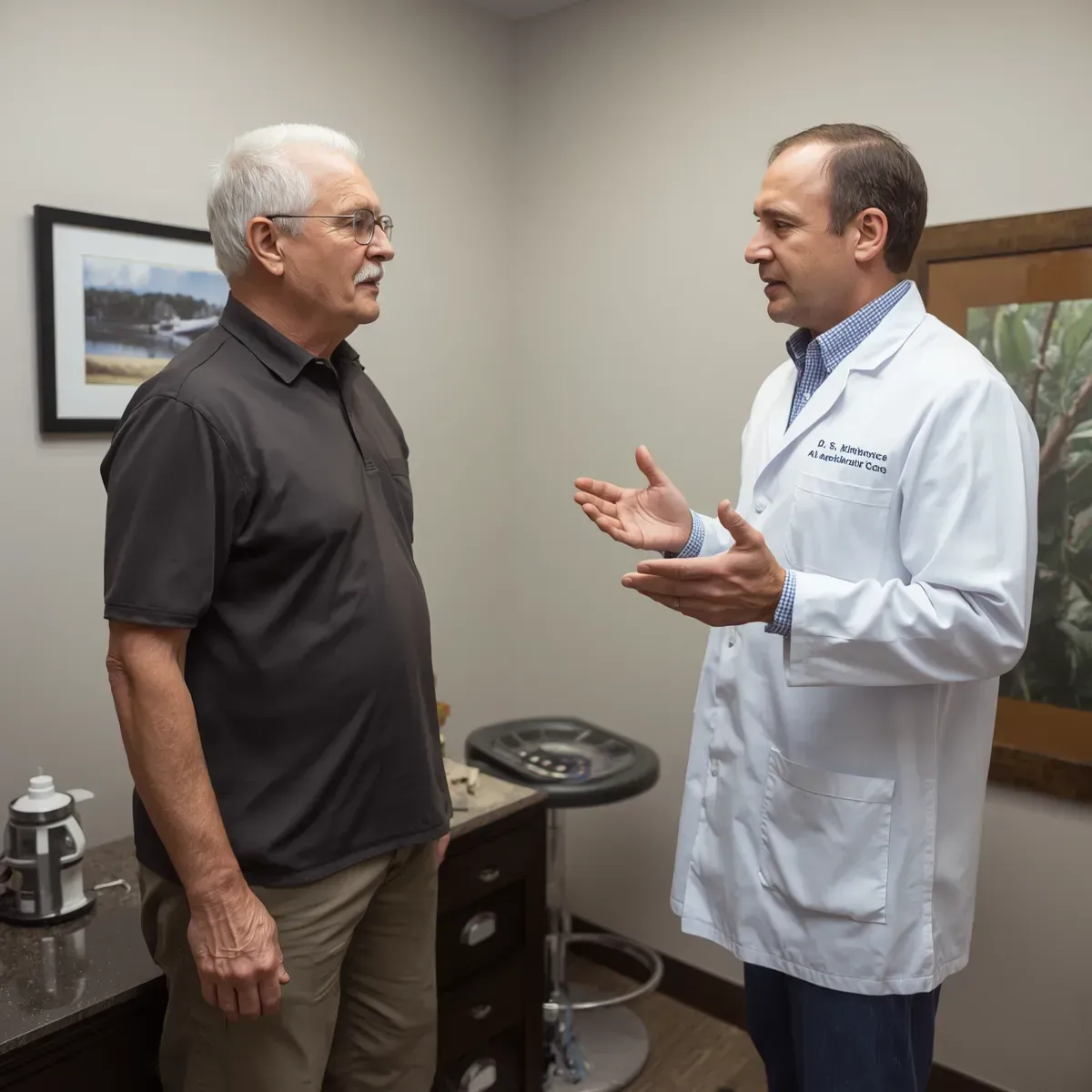
What Degenerative Spine Conditions Do to Your Body and Daily Life
Day-to-Day Symptoms You Should Not Ignore
The most common early signals of degenerative spine conditions include morning stiffness that takes 20 to 30 minutes to ease, a deep aching pain in the neck or lower back that worsens with weather changes or prolonged sitting, reduced range of motion when turning the head or bending, and - when nerve compression is involved - occasional radiating pain, numbness, or weakness into the arms or legs. These symptoms typically develop so gradually that patients adapt to them and attribute them to aging, which allows the underlying structural changes to advance before treatment begins.
Why Earlier Assessment Leads to Better Long-Term Outcomes
Degenerative conditions cannot be reversed, but their rate of progression can be meaningfully slowed with consistent care. The earlier a structural problem is identified and managed, the more intervention options are available and the less cumulative damage has occurred. Patients who begin chiropractic care in the early or moderate stages of degenerative disc disease, osteoarthritis, or spinal stenosis consistently maintain better mobility, experience less pain, and avoid more aggressive interventions than patients who wait until symptoms become disabling. A consultation at Davidson Chiropractic tells you exactly where you stand structurally and what a realistic management plan looks like for your specific condition.
Chronic degenerative conditions develop gradually over years. Osteoarthritis breaks down the cartilage in weight-bearing joints, reducing the cushioning between bones. Degenerative disc disease causes spinal discs to lose height and hydration, which reduces their ability to absorb impact. Spinal stenosis narrows the spinal canal and places pressure on the nerves running through it. All three develop through age, repetitive stress, old injuries, or poor long-term biomechanics, and symptoms often go unnoticed for years before they become disruptive.
Day to day, you might notice morning stiffness that takes a while to work out, reduced range of motion in your neck or lower back, or a deep ache that worsens with certain movements or changes in weather. When nerve compression is involved, you may feel radiating pain or numbness down your arms or legs. There's also a general fatigue that comes from your body constantly compensating for structural changes it can't fully correct on its own.
Getting assessed early matters, not to alarm you, but because catching and managing these conditions before they advance significantly changes how you live and move. The earlier we understand what's happening structurally, the more options we have for slowing progression and keeping you functional. That's where a consistent care plan makes the difference.
Three Degenerative Conditions Dr. Davidson Treats in Appleton
Osteoarthritis: Managing Joint Pain and Protecting Cartilage
Degenerative Disc Disease: Slowing Progression and Reducing Pain
Spinal Stenosis: Relieving Nerve Compression Without Surgery
Long-Term Chiropractic Management of Degenerative Spine Conditions
Degenerative conditions can't be reversed, but their impact on daily life can be actively managed. Regular chiropractic adjustments reduce mechanical stress on compromised joints, restore alignment where compensatory movement patterns have developed, and keep the nervous system communicating clearly with the surrounding musculature. This is a maintenance and management model, not a cure, and that distinction matters when you're planning care for the long term.
Reducing Inflammation and Restoring Spinal Alignment
At Davidson Chiropractic in Appleton, Dr. Davidson assesses joint mobility and spinal alignment at each visit, then applies targeted low-force or manual adjustments suited to each patient's structural reality. We track changes in range of motion across successive visits so we can see what's working and adjust accordingly. Our chiropractic adjustments are adapted to the specific condition, not a one-size-fits-all protocol.
Patients shouldn't expect a complete reversal of structural changes. What's realistic: reduced pain frequency and intensity, better mobility in the morning, a slower progression of joint stiffness, and less reliance on compensatory muscle groups. These are meaningful improvements in quality of life, and they're grounded in what consistent chiropractic care has actually shown in patients with degenerative conditions over time.
Maintenance Care: How Often Should You See a Chiropractor?
For most degenerative conditions, chiropractic care follows two phases. The first is an active phase - typically weekly visits during a flare-up or initial correction period, continuing until symptoms stabilize and structural improvements are established. The second is a maintenance phase - typically monthly visits once the condition is under control, aimed at preventing recurrence and slowing further progression. The right frequency depends on the severity of your condition, how your body responds to care, and your lifestyle and activity demands. Dr. Davidson builds a maintenance schedule around your specific situation rather than applying a one-size-fits-all protocol.
Care frequency varies by individual. Some patients benefit from weekly visits during flare periods; others do well with monthly maintenance adjustments once stability is established. For patients whose conditions include significant ongoing pain, our chronic pain management approach offers additional support alongside regular adjustments.
Chronic Degenerative Conditions Testimonial
The following letters were provided directly by patients of Davidson Chiropractic. They are presented exactly as written.
⭐⭐⭐⭐⭐
I’ve had a lot of neck, back, and hip pain for years. Most of which was due to high school and college athletics, but then also from the weight of my armor and duty belt in law enforcement. Dr. Davidson’s personalized adjustments and nutrition guidance have significantly reduced my pain, improved my energy, and I’m sleeping better than I have in a long time. I feel like I can enjoy my life again. When you find someone who helps you this much, that’s worth sharing. Thanks!
- Eric
Read more patient reviews on Google.
Frequently Asked Questions About Degenerative Spine Conditions
Can chiropractic help osteoarthritis?
Yes. Chiropractic adjustments help osteoarthritis patients by maintaining joint mobility, reducing inflammation-related nerve pressure, and slowing the rate of cartilage breakdown. While chiropractic cannot regenerate lost cartilage, it consistently reduces pain, improves range of motion, and enhances quality of life for arthritis patients of all ages.
Can chiropractic reverse degenerative disc disease?
No - but it can significantly slow progression and reduce pain. Degenerative disc disease involves gradual breakdown of spinal discs, which cannot be reversed. However, chiropractic adjustments maintain proper spinal alignment, reduce abnormal loading on the affected discs, and relieve nerve pressure caused by disc narrowing - leading to meaningful pain relief and better function.
How often should I see a chiropractor for a degenerative condition?
During flare-ups, weekly visits are often recommended until symptoms stabilize. During stable periods, monthly maintenance visits help prevent recurrence and slow progression. Dr. Davidson works with each patient to find a treatment frequency that fits their lifestyle, budget, and health goals - there is no one-size-fits-all schedule.
What is spinal stenosis and can chiropractic help?
Spinal stenosis is a narrowing of the spinal canal that compresses the spinal cord or nerve roots, causing pain, numbness, and weakness - often in the legs. Chiropractic care can improve spinal alignment to reduce nerve compression and provide meaningful pain relief. Severe stenosis may require surgical evaluation, which Dr. Davidson will discuss openly if indicated.
Is chiropractic safe for older adults with degenerative conditions?
Yes. Dr. Davidson has over 40 years of experience treating older adults with arthritis, degenerative disc disease, and spinal stenosis. He uses gentle techniques - including the low-force Activator Method - that are appropriate for patients with fragile bones or advanced degeneration. Safety and patient comfort are always the top priority.
Start Managing Your Spine Before It Manages You
Degenerative conditions don't disappear, but regular chiropractic care makes a measurable difference in how you live and move day to day. Book a consultation at Davidson Chiropractic in Appleton and we'll build a care plan suited to your specific condition.