Headaches don't have to be your normal
Chiropractic Headache Relief in Appleton, WI - Tension, Cervicogenic & Migraines
Move better, heal faster, and restore balance naturally.
Chiropractic care relieves headaches by correcting spinal misalignment and releasing muscle tension in the neck and upper back. At Davidson Chiropractic in Appleton, WI, spinal adjustments reduce the nerve irritation and muscle guarding that trigger tension and cervicogenic headaches without medication, without surgery, and without waiting weeks for results.
Same Day Availability!
40+ years helping Appleton, WI headache patients
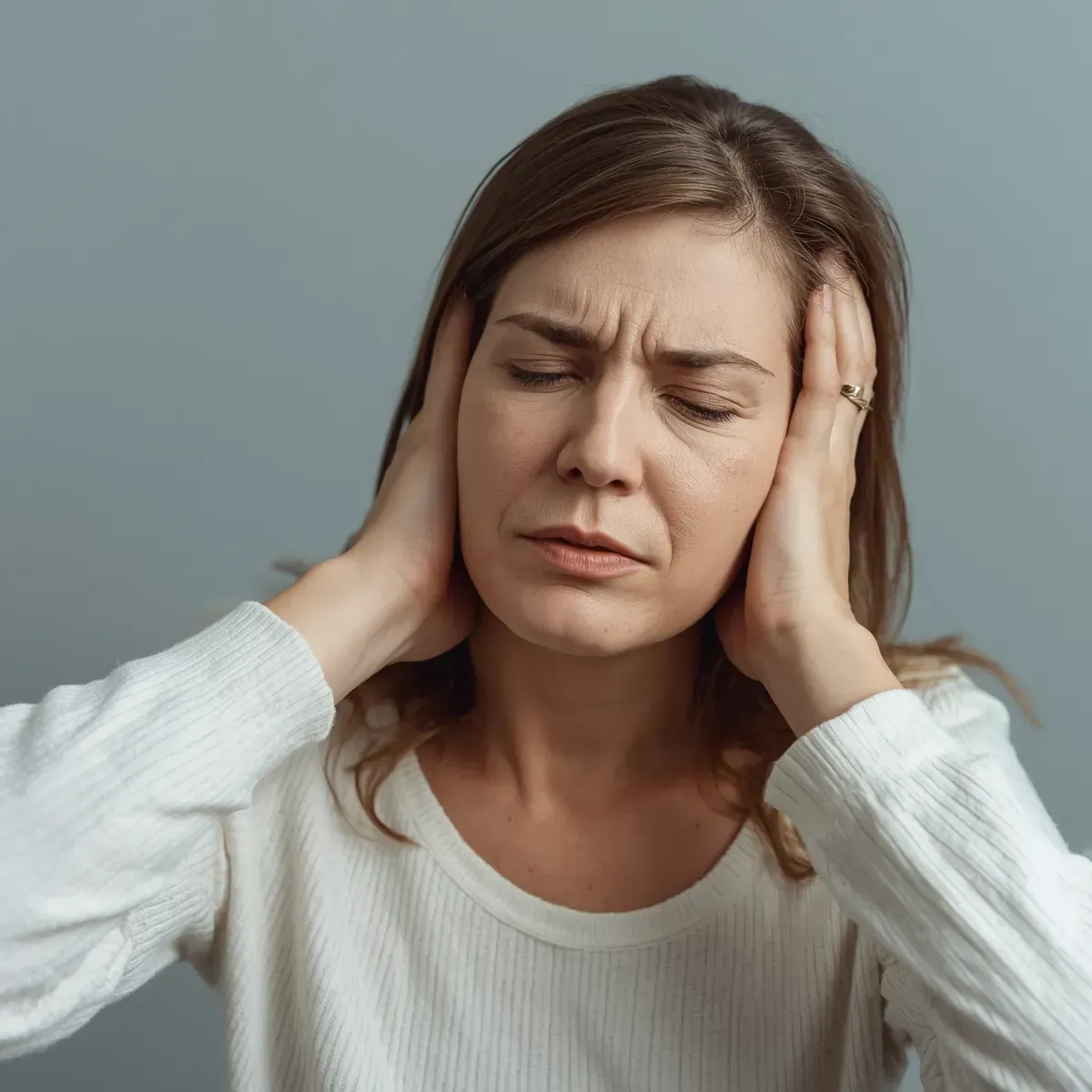
Three Types of Headaches That Respond to Chiropractic Care

Tension Headaches: Caused by Cervical Muscle Tension and Joint Restriction
Tension headaches, the most common type, are driven by sustained muscle contraction and restricted joint motion in the cervical (the neck region of the spine) and upper thoracic spine. Poor posture, long hours at a desk, and repetitive strain create the conditions for these headaches to become chronic. Over time, the muscles and joints in your neck stop moving freely, and that restriction keeps the cycle going. Chiropractic care addresses the joint mechanics and muscle tension directly, rather than just managing the pain.
Cervicogenic Headaches: Pain That Originates in Your Neck
Cervicogenic headaches are referred pain; the headache is felt in the head, but the true source is a joint or nerve in the neck. The typical pattern is one-sided head pain that worsens with neck movement, often starting at the base of the skull and radiating forward. These headaches are frequently misidentified as migraines or tension headaches, which means the actual source goes untreated and the headaches keep coming back.
Migraines: How Chiropractic Reduces Frequency and Severity
Migraines have a neurological component, but spinal misalignment and cervical nerve irritation are documented contributing triggers. Chiropractic care doesn't cure migraine disease, but it can meaningfully reduce how often migraines occur and how intense they are by addressing one of their physical causes. For patients whose migraines are linked to cervical tension, regular adjustments can make a noticeable difference over time.
How Dr. Davidson Treats Headaches Without Medication
Cervical and Upper Thoracic Adjustments for Headache Relief
The primary technique we use is precise, controlled chiropractic adjustments to the cervical and upper thoracic spine that restore joint mobility, decompress irritated nerves, and reduce the muscle guarding that perpetuates headache cycles. Dr. Davidson uses both manual (hands-on) and Activator instrument methods depending on the patient's condition and comfort level. This flexibility means we can match the treatment approach to what your body actually responds to, rather than applying a one-size-fits-all technique.
Soft Tissue Release for Suboccipital and Trapezius Tension
Adjustments are often paired with soft tissue work to release tight suboccipital and trapezius muscles that contribute to headache patterns. We also conduct a postural assessment to identify the habitual positions and movement patterns that reload the cervical spine between visits because if those patterns don't change, progress is slower than it needs to be.
Postural Correction: Preventing Headaches from Returning
Postural habits between visits are one of the primary reasons cervicogenic and tension headaches return after successful initial treatment. Dr. Davidson conducts a postural assessment to identify the specific positions and movement patterns that continuously reload your cervical spine - whether at a desk, during sleep, while driving, or using a phone. Correcting these patterns is not optional for lasting headache relief; it is what prevents structural improvements from being undone in the hours between each appointment. Simple, practical changes to workstation setup, pillow position, and screen height make a measurable difference.
What Your Headache Treatment Plan Looks Like
Treatment begins with a thorough examination to identify the headache type and the degree of spinal involvement. Early visits are typically two to three times per week to interrupt the active cycle of nerve irritation and muscle guarding. As headache frequency and intensity decrease, visit spacing is extended. Most patients notice a reduction in headache frequency before the severity fully resolves - this is a normal and encouraging pattern that tells us the underlying structural issue is responding. The goal is always to need us less over time, not more.
What a Typical Headache Treatment Course Looks Like
We start with a thorough examination to identify the headache type and the degree of spinal involvement, then build a visit schedule based on the severity and how long the problem has been present. Visits are progressively spaced out as you improve, so the goal is always to need us less, not more. Most patients notice a reduction in headache frequency before the intensity fully resolves; that's a normal and encouraging pattern.
At Davidson Chiropractic in Appleton, headache treatment rarely happens in isolation. Neck pain treatment is often part of the same care plan, because neck pain and headaches frequently share a common spinal source and respond well when addressed together.

Headache Relief Testimonial About Davidson Chiropractic
The following letters were provided directly by patients of Davidson Chiropractic. They are presented exactly as written.
⭐⭐⭐⭐⭐
It is always nice and clean and he is Very Professional. I would recommend his care to my family and feiends.
- Melissa B.
Read more patient reviews on Google.
After-hours emergency on-call care is available
40+ years treating athletic injuries
Frequently Asked Questions About Chiropractic Headache Relief
Can a chiropractor help with headaches?
Yes. Most headaches - including tension headaches and cervicogenic headaches - originate from spinal misalignment, muscle tension, or nerve irritation in the neck. Dr. Davidson treats these structural causes directly, often reducing headache frequency and intensity significantly within the first several visits.
What types of headaches respond to chiropractic care?
Tension headaches and cervicogenic headaches (originating from the neck) respond very well to chiropractic treatment. Migraines may also decrease in frequency and severity with regular cervical adjustments and postural correction. Dr. Davidson assesses each patient to determine the most likely source of their headaches.
Can a chiropractor help with migraines?
Chiropractic care can reduce the frequency and severity of migraines for many patients, particularly those whose migraines are triggered by neck tension or cervical joint dysfunction. While chiropractic is not a cure for all migraine disorders, many patients report meaningful improvement. Dr. Davidson can coordinate with your medical team for complex cases.
How does chiropractic relieve tension headaches?
Tension headaches are typically caused by muscle tightness and restriction in the upper cervical spine and shoulders. Chiropractic adjustments release these restrictions, restore normal joint movement, and reduce the muscle tension that creates the "band" sensation of a tension headache. Most patients feel relief within 1-3 visits.
How many sessions until headaches improve?
Many patients notice reduced headache frequency within 2-4 visits. For chronic headache sufferers - those with daily or near-daily headaches - a longer treatment course of 8-16 sessions may be needed to fully address the underlying structural issues. Maintenance visits can prevent recurrence.
Stop Managing Your Headaches - Start Treating Them
Headaches tied to spinal tension don't resolve on their own. A thorough assessment at Davidson Chiropractic in Appleton takes the guesswork out of what's causing the pain, and same-week appointments are available on Monday, Tuesday, Wednesday, and Friday.