The First Line of Defense: Why Chiropractic Care is the Optimal Portal of Entry for Auto, Sports, and Work Injuries in the Fox Valley
When an unexpected injury occurs—whether from a collision on I-41, a sprain on the athletic field, or cumulative strain from long hours in a local manufacturing plant—the initial healthcare decision you make dictates your long-term recovery trajectory. For residents across Appleton and the greater Fox Cities region, seeking prompt, conservative, and structural care is essential to preventing acute physical trauma from converting into permanent, disabling scar tissue and chronic pain.
Doctors of Chiropractic (DCs) serve as direct primary contact—or "portal of entry"—physicians within modern integrated healthcare. Specially trained to evaluate, diagnose, and manage neuromusculoskeletal conditions without reliance on prescription opioids or invasive surgical procedures, chiropractic care provides a safe, evidence-based foundation for complete physical rehabilitation.
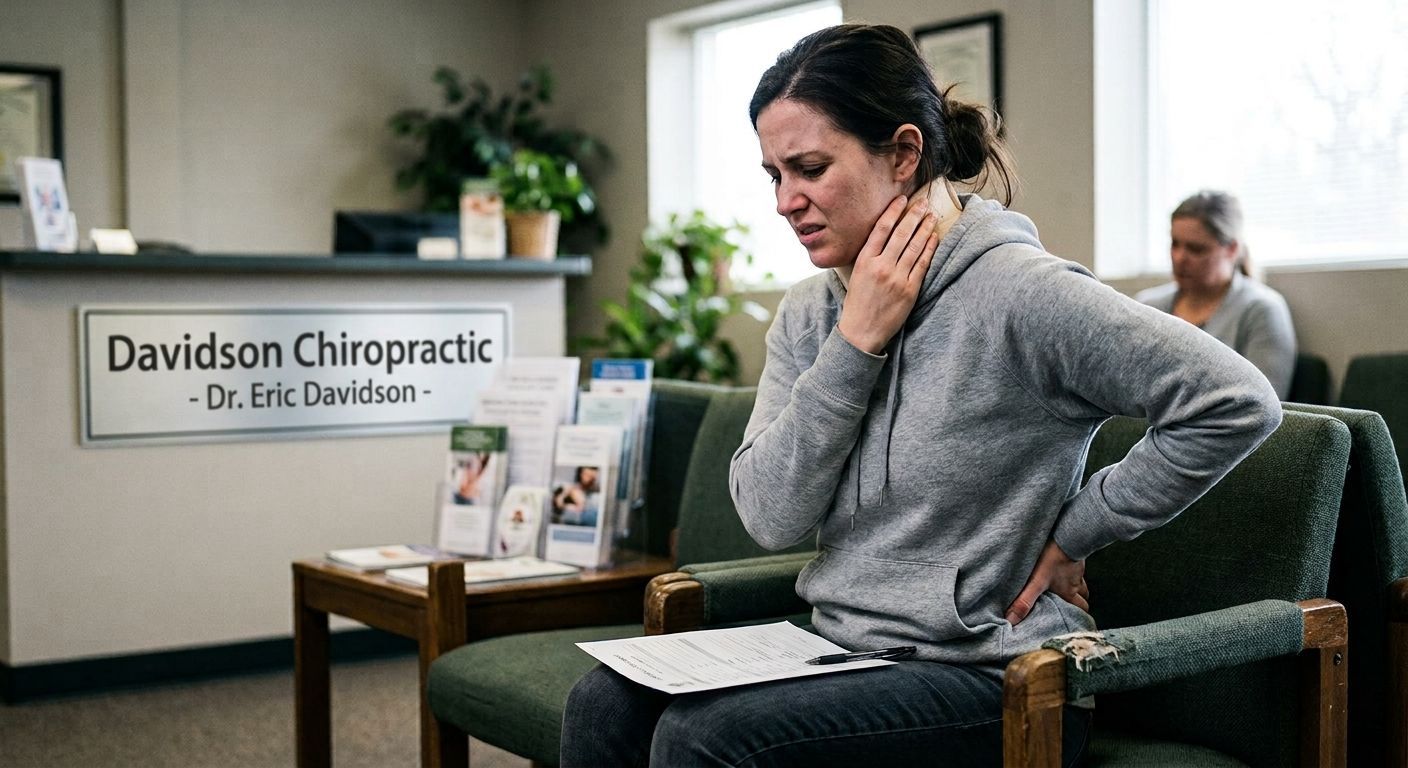
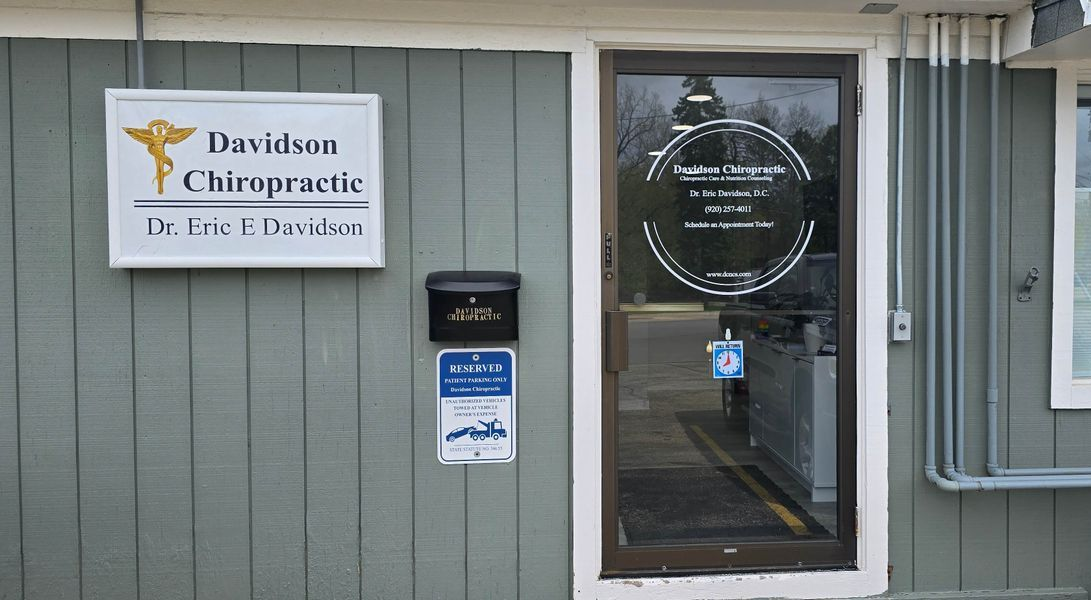
At Davidson Chiropractic in Appleton, WI, our clinical focus centers on restoring natural biomechanics, alleviating nerve compression, and helping patients return to their active lives quickly and safely.
1. Demystifying the Primary Mechanisms of Physical Trauma
Physical injuries generally fall into three distinct practical categories: auto collisions, sports injuries, and workplace accidents. Each presents unique force vectors, biomechanical stresses, and tissue mechanics that impact the nervous, muscular, and skeletal systems.
[ Physical Trauma ]
│
┌─────────────────────────┼─────────────────────────┐
▼ ▼ ▼
[ Auto Collisions ] [ Sports Injuries ] [ Workplace Trauma ]
• Whiplash (Cervical) • Overuse & Strain • Repetitive Motion
• Micro-tears • Joint Misalignment • Ergonomic Strain
• Capsule Compression • Acute Force Impact • Heavy Lifting / Axial Load
Motor Vehicle Collisions (Auto Injuries)
Automobile accidents generate tremendous kinetic energy that transfers directly into the spine and supporting soft tissues—even in low-speed fender benders along College Avenue or Highway 441. The classic "whiplash" mechanism occurs when the head and neck undergo rapid, forced acceleration followed immediately by deceleration.
- Soft Tissue Micro-Tears: Ligaments, spinal joint capsules, and deep cervical muscles endure violent stretching, causing microscopic tears and vascular micro-bleeding.
- Sympathetic Nervous System Activation: Acute inflammation triggers severe muscle guarding, causing cervical stiffness, loss of the natural lordotic curve, cervicogenic tension headaches, and radicular pain radiating into the shoulders or arms.
- Delayed Symptom Onset: Systemic shock and endorphin surges frequently mask internal tissue damage. Many drivers feel fine immediately following an impact, only to experience debilitating neck stiffness, low back pain, or brain fog days or weeks later.
Athletic & Sports-Related Injuries
From local recreational leagues to high-intensity school athletics across Outagamie County, sporting activities involve high-velocity rotation, sudden direction changes, direct impact forces, and maximal mechanical loading.
- Acute Traumatic Damage: Direct physical impacts cause joint sprains, tendon strains, and vertebral subluxations (minor joint misalignments) that restrict motion and irritate spinal nerves.
- Repetitive Biomechanical Overuse: Asymmetric athletic motions (e.g., golf swings, pitching, running mechanics) create subtle muscle imbalances. Unaddressed joint restrictions force adjacent kinetic structures to compensate, leading to tendinitis, bursitis, sacral instability, and premature joint wear.
Occupational & Work-Related Injuries
Workplace injuries in the Fox Valley develop through both catastrophic events (falls, heavy equipment accidents) and micro-trauma resulting from repetitive motion or poor bio-ergonomics.
- Ergonomic Static Loading: Extended hours spent seated at desks, driving, or standing on hard industrial floors flatten natural spinal curves and place excessive strain on postural muscles.
- Repetitive Lifting & Axial Stress: Bending, twisting, and lifting heavy equipment exerts massive compressive force on intervertebral discs. Over time, these mechanical stresses produce spinal subluxations, disc bulges, and debilitating sciatica.
2. Chiropractic as the Ideal "Portal of Entry" for Initial Care
A "portal of entry" healthcare provider is a primary clinician whom patients can consult directly without requiring a prior medical referral or insurance gatekeeper. Chiropractic physicians are uniquely educated, licensed, and equipped to serve as first-line diagnostic experts for musculoskeletal conditions.
The First-Line Primary Care Advantage
- Direct Access & Diagnostic Competence: Doctors of Chiropractic complete 4+ years of postgraduate doctoral education covering neurology, orthopedics, differential diagnosis, radiology, and clinical nutrition. A DC performs comprehensive clinical examinations to determine the exact structural cause of pain and can immediately order advanced imaging (X-rays, MRI) when indicated.
- Prompt Triage & Referral: If an examination reveals red-flag pathologies—such as uncompensated fractures, severe neurological deficits, or vascular compromise—a chiropractor immediately coordinates direct care with local emergency or surgical specialists.
- Preventing Chronic Disability: Eliminating delays in receiving initial physical treatment prevents acute soft tissue inflammation from forming restrictive, rigid scar tissue.
Prioritizing Conservative Management First
Leading medical organizations, including the American College of Physicians (ACP) and the Centers for Disease Control and Prevention (CDC), strongly advise non-pharmacologic, conservative care as the initial line of intervention prior to considering spinal injections, prescription opioids, or surgery.
- Mitigating Opioid Exposure: Initiating treatment with a chiropractor dramatically decreases the likelihood of receiving a prescription opioid for spine-related pain.
- Lower Healthcare Costs: Early conservative care consistently yields lower overall medical expenditure, minimizes unnecessary advanced imaging, and reduces lost workdays compared to initial pharmaceutical or surgical management.
3. Comprehensive Clinical Protocols: What Happens in Care
At Davidson Chiropractic in Appleton, care is tailored to the specific tissue phase of healing: acute inflammatory, repair/remodeling, and functional restoration.
| Clinical Phase | Primary Objectives | Specific Interventions Employed |
|---|---|---|
| Phase I: Acute Relief & Protection | Reduce acute pain, decrease local edema, inhibit muscle spasm, protect damaged micro-structures. | Gentle joint mobilization, cryotherapy, electric muscle stimulation, soft tissue decompression. |
| Phase II: Restorative Alignment & Mobility | Restore normal joint motion, reduce subluxations, align repair collagen fibers, relieve nerve compression. | High-Velocity Low-Amplitude (HVLA) adjustments, Gonstead / Diversified / Activator techniques, Myofascial release. |
| Phase III: Functional Rehabilitation | Rebuild muscular endurance, enhance proprioception, restore flexibility, stabilize core mechanics. | Active therapeutic exercise, dynamic stability drills, posture retraining, local ergonomic instruction. |
Phase I: Inflammation & Relief ➜ Phase II: Alignment & Repair ➜ Phase III: Rehabilitation & Stability
Core Chiropractic Modalities Explained
1. Targeted Spinal & Extra-Articular Adjustments (Spinal Manipulation)
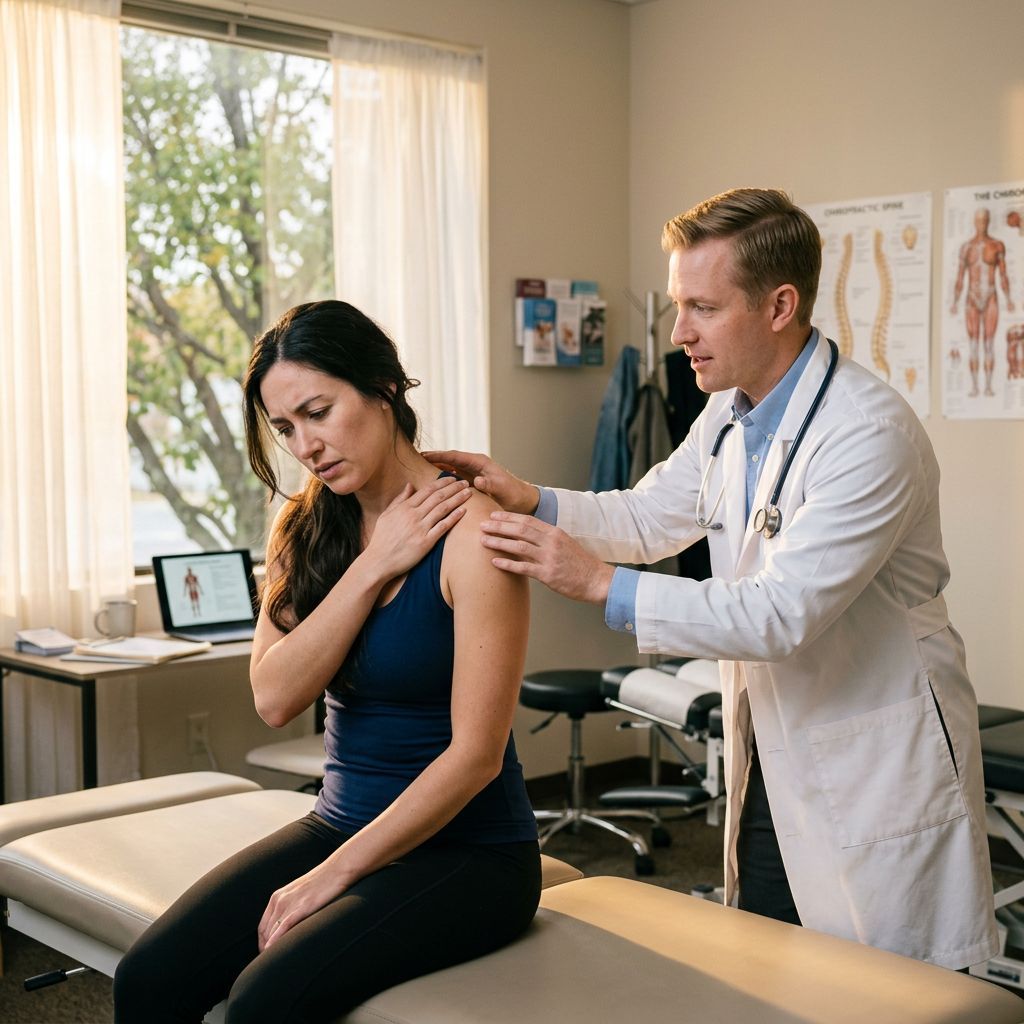
Spinal adjustments deliver a precise, gentle force to joints exhibiting restricted motion or misalignment (subluxation). Restoring alignment unloads pinched spinal nerves, triggers mechanoreceptor feedback that dampens pain signals, relaxes hypertonic guarding muscles, and restores full joint motion.
2. Soft Tissue Mobilization & Myofascial Release
Joint dysfunction is directly connected with soft tissue tightness. Specialized soft tissue techniques break down fibrotic adhesions, mobilize tight fascia, and increase localized blood circulation to accelerate cellular tissue repair.
3. Supportive Passive Therapies
- Electrical Muscle Stimulation (EMS): Delivers gentle electrical impulses to reduce acute edema, block pain perception via the gate-control mechanism, and soothe painful muscle spasms.
- Therapeutic Ultrasound: Uses acoustic sound waves to generate deep thermal energy within dense tissues, enhancing vascular circulation and flexible collagen repair in ligaments and tendons.
4. Active Rehabilitation & Ergonomic Correction
To ensure lasting results, passive care transitions into dynamic active care. Customized stabilization exercises, core strengthening, and ergonomic modifications equip patients to maintain structural alignment during daily physical tasks.
4. Key Scientific Evidence Supporting Chiropractic Care
A substantial volume of peer-reviewed clinical research demonstrates the efficacy, safety, and cost-effectiveness of chiropractic care for acute and chronic musculoskeletal injuries:
1. High Clinical Efficacy for Acute and Chronic Back Pain
Qaseem et al. (2017). Noninvasive Treatments for Acute, Subacute, and Chronic Low Back Pain: A Clinical Practice Guideline From the American College of Physicians. Annals of Internal Medicine.
Key Finding: The ACP clinical guidelines explicitly recommend non-pharmacologic therapies—including spinal manipulation, massage, and exercise—as the primary first-line treatment for acute, subacute, and chronic low back pain before considering medications or surgery.
2. Substantial Reduction in Opioid Prescriptions
Corcoran et al. (2020). Association Between Chiropractic Use and Opioid Prescription Receipt Among Patients with Spinal Pain: A Systematic Review and Meta-Analysis. Pain Medicine.
Key Finding: Patients who consulted a chiropractor for spinal pain had a 64% lower odds of receiving a prescription opioid compared to those who received standard medical care alone.
3. Effective Relief for Whiplash and Auto Collisions
Woodward et al. (1996). Chiropractic treatment of chronic whiplash injuries. Injury: International Journal of the Care of the Injured.
Key Finding: Evaluation of patients with chronic whiplash sustained in motor vehicle collisions revealed that 93% of chronic whiplash patients experienced significant symptomatic and functional improvement under chiropractic care.
4. Superior Results in Occupational & Workplace Care
Blanchette et al. (2016). Effectiveness and Economic Evaluation of Chiropractic Care for Work-Related Low Back Pain: A Systematic Review. Journal of Manipulative and Physiological Therapeutics.
Key Finding: Injured workers suffering from occupational low back pain who received chiropractic care experienced shorter disability durations, fewer workdays lost, and lower total medical costs than those receiving standard medical treatment.
5. Enhanced Sports Performance and Mobility
Miner et al. (2021). The Impact of Spinal Manipulative Therapy on Athletic Performance Measures: A Systematic Review. Journal of Sports Rehabilitation.
Key Finding: Evidence confirms that spinal manipulative therapy significantly improves joint range of motion, biomechanical alignment, and neuromuscular recruitment in athletes, supporting faster recovery from overuse strains.
6. Prevention of Disability in Acute Neck Trauma
Hurwitz et al. (2008). Treatment of Neck Pain: Noninvasive Interventions. Results of the Bone and Joint Decade Task Force on Neck Pain. Spine.
Key Finding: Manual therapies, including cervical spinal manipulation and exercise, were proven highly effective for neck pain, whiplash-associated disorders, and cervical strains, accelerating safe return to work and daily activities.
7. Superior Cost-Effectiveness in Primary Care
Tsertsvadze et al. (2014). Cost-effectiveness of manual therapy for the management of musculoskeletal conditions: a systematic review. BMJ Open.
Key Finding: Systematic review data confirmed that manual therapy, including spinal manipulation provided by chiropractors, is significantly more cost-effective than standard medical care, general physical therapy, or pharmaceutical management.
8. Dramatic Reduction in Downstream Lumbar Surgeries
Keeney et al. (2013). Early Predictors of Lumbar Spine Surgery After Occupational Injury: Results from a Prospective Cohort Study in Washington State Workers. Spine.
Key Finding: In a cohort of injured workers, 42.7% of employees who first consulted a surgeon underwent lumbar spine surgery within three years, compared to only 1.5% of those who first consulted a Doctor of Chiropractic.
9. High Safety Profile and Low Risk
Paige et al. (2017). Association of Spinal Manipulative Therapy With Clinical Benefits and Harm for Acute Low Back Pain: Systematic Review and Meta-Analysis. JAMA.
Key Finding: A meta-analysis of 26 clinical trials published in the Journal of the American Medical Association concluded that spinal manipulative therapy yields statistically significant improvements in pain and function with no serious adverse events reported.
10. Proven Results in High-Demand Military Populations
Goertz et al. (2018). Effect of Chiropractic Care on Pain and Function in Young, Active-Duty Military Personnel: A Randomized Controlled Trial. JAMA Network Open.
Key Finding: Integrating chiropractic care into standard medical routines for active-duty personnel resulted in statistically significant reductions in pain intensity and functional disability, proving its value in high-intensity physical environments.
Taking Your First Step Toward Complete Recovery
Recovering from an auto collision, athletic strain, or workplace injury does not require immediate reliance on heavy medications or invasive surgery. Choosing Davidson Chiropractic in Appleton, WI as your initial portal of entry ensures that your body receives prompt, precise, and non-invasive care focused on true structural healing.
By correcting root-cause joint misalignments, relieving nerve pressure, and restoring healthy biomechanics, chiropractic care gets you back to living, working, and playing pain-free across the Fox Valley.
Recent Posts