The Ultimate Guide to Recovery: Treating Auto, Work, and Sports Injuries of the Neck, Back, and Extremities

Davidson Chiropractic • November 11, 2026

Share this article

The Ultimate Guide to Recovery: Treating Auto, Work, and Sports Injuries of the Neck, Back, and Extremities

Accidents and acute physical trauma can instantly derail your health, performance, and daily life. Whether you have experienced a high-impact motor vehicle collision, a repetitive strain or sudden lifting injury at work, or an acute joint sprain during athletic competition, physical injuries require targeted, evidence-based care to ensure complete structural and functional recovery.

At Davidson Chiropractic, located in Appleton, Wisconsin, care centers on conservative, non-invasive chiropractic adjustments, clinical nutrition, and comprehensive functional rehabilitation. By integrating structural spinal alignments, extremity joint manipulations, soft tissue therapies, and individualized metabolic support, patients are guided through every stage of tissue healing, from acute inflammation management to long-term biomechanical stabilization.

Understanding Bio-Trauma: How Injuries Impact the Neuromusculoskeletal System

When the human body undergoes sudden traumatic impact, rotational strain, or chronic repetitive stress, the affected tissues experience varying degrees of micro-tearing, inflammation, and joint subluxation (misalignment). Left unaddressed, these structural imbalances disrupt nervous system signaling, impair circulation, and induce secondary muscular compensation patterns. The typical progression looks like this:

[ Traumatic Impact / Overuse Strain ]
│
▼
[ Acute Inflammatory Cascade ]
│
▼
[ Joint Subluxation & Tissue Micro-Tears ]
│
▼
[ Muscle Guarding & Neural Stress ]
│
▼
[ Chronic Compensation & Loss of Function ]

Chiropractic care addresses the root cause of mechanical dysfunction rather than merely masking painful symptoms with medication. Restoring proper articular alignment reduces pressure on spinal nerves, restores normal range of motion, and facilitates the body's natural cellular repair processes.

1. Auto Accident Injuries: Whiplash, Spinal Trauma, and Extremity Pain

Motor vehicle collisions generate intense G-forces that transfer directly into the driver and passenger occupants. Even low-speed fender benders (5 to 15 mph) can deliver sufficient kinetic energy to cause substantial soft tissue damage, ligamentous sprains, and joint instability. Learn more about our auto accident and whiplash recovery care.

Common Auto Accident Injuries

Condition Affected Anatomy Key Symptoms
Whiplash (Cervical Acceleration/Deceleration Injury) Cervical Spine, Facet Joints, Sternocleidomastoid, Trapezius Neck stiffness, headaches, vertigo
Lumbar Disc Herniation & Sciatica Intervertebral Discs (L4-L5/L5-S1), Nerves, Lumbar Erector Spinae Sciatica, numbness, lower back pain
Extremity Seatbelt/Airbag Trauma Shoulder Complex, Wrist/Radius, Knee/Patella (Dashboard Injury) Joint impingement, bruising, weakness

Whiplash Associated Disorders (WAD)

Whiplash occurs when the head is abruptly snapped backward and forward in a rapid acceleration-deceleration sequence. This hyper-flexion and hyper-extension movement hyper-stretches cervical ligaments, strains delicate neck musculature, and damages the capsule surrounding the cervical facet joints.

  • Primary Symptoms:Severe neck pain, loss of cervical rotation, tension headaches originating at the base of the skull, upper back soreness, dizziness, and cognitive brain fog. See our pages on neck pain and headache relief.
  • Chiropractic Intervention:Gentle cervical mobilization, Activator Methods®, Gonstead adjustments, and targeted soft-tissue therapies reduce facet joint inflammation and restore biomechanical stability to the neck.

Disc Bulges, Herniations, and Lumbar Strain

The force of an impact frequently causes intervertebral discs in the lower back to bulge or rupture, compressing adjacent spinal nerve roots.

  • Sciatica and Nerve Compression:Compression of the L4, L5, or S1 nerve roots sends radiating sharp, burning pain, tingling, or numbness down the buttocks, thigh, calf, and foot. Explore sciatic relief and lower back pain care.
  • Targeted Care:Non-surgical spinal decompression principles and gentle lumbar adjustments relieve compressive force on disc walls, allowing nutrients and fluid to re-enter the disc space and accelerating neural healing.

2. Workplace Injuries: Ergonomic Strain, Lifting Trauma, and Repetitive Motion

Occupational health challenges span every sector, from heavy industrial labor and construction to stationary office desk work. Workplace injuries typically present in two main patterns: acute traumatic events (such as heavy lifting or falls) and cumulative micro-trauma from repetitive motions.

Occupational Injury Classifications

Injury Type Common Causes Primary Symptoms
Acute Lumbar Strain Improper heavy lifting, sudden twisting, slipping on wet floors Sharp lower back spasms, lockup
Cumulative Ergonomic Strain Poor desk posture, prolonged sitting, screen elevation stress Tech neck, thoracic stiffness, fatigue
Extremity Overuse Syndrome Typing, assembly line assembly, overhead tool operation Wrist pain, elbow soreness, weakness

Acute Lifting Injuries and Postural Deconditioning

Lifting heavy loads without proper spinal neutral posture places immense shear force across the lumbar spine. Furthermore, sitting for 8 to 10 hours daily deactivates core stabilizer muscles (gluteal amnesia) and tightens hip flexors, pulling the pelvis out of alignment and predisposing the lower back to sudden lock-ups and spasms.

Upper Cross Syndrome and "Tech Neck"

Forward head posture, common among desk workers and commercial drivers, drastically increases the effective weight of the human head on the cervical spine. For every inch the head moves forward, the cervical spine experiences an additional 10 pounds of force. This leads to chronic muscle strain in the upper trapezius and levator scapulae, forward rounding of the shoulders, and restricted thoracic extension.

3. Sports Injuries: Acute Traumas, Overuse, and Extremity Joint Care

Athletes demand high levels of structural symmetry, joint mobility, power output, and rapid recovery. Whether competing in organized athletics, endurance running, or recreational fitness, joint misalignments and biomechanical compensations reduce performance and significantly increase injury susceptibility.

[ Sports Injury Dynamics ]
/                \
/                 \
[ Acute Traumatic Injuries ]    [ Chronic Overuse / Micro-Trauma ]
• Sudden joint sprains     • Rotator cuff tendinitis
• Direct impact contusions   • Tennis/Golfer's elbow
• Knee ligament hyperextension    • Plantar fasciitis & ankle strain
\                 /
\                /
[ Chiropractic Articular Realignment ]
│
▼
[ Functional Strength & Biomechanical Balance ]

Extremity Adjustments: Shoulders, Elbows, Wrists, Hips, Knees, and Feet

Chiropractic care extends beyond the central spine to encompass every peripheral joint in the kinetic chain:

  1. Shoulder Complex & Rotator Cuff: Address glenohumeral and acromioclavicular (AC) joint misalignments, relieving impingement and restoring full overhead range of motion.
  2. Elbow & Wrist Joints: Precision adjustments for lateral epicondylitis (tennis elbow), medial epicondylitis (golfer's elbow), and carpal tunnel syndrome caused by repetitive throwing, gripping, or computer work.
  3. Hip & Pelvic Girdle: Correct sacroiliac (SI) joint subluxations to balance leg lengths, relieve deep hip pain, and optimize gait mechanics.
  4. Knee, Ankle, and Foot: Address patellofemoral tracking issues, ankle sprain rehabilitation, and plantar fasciitis by realigning the talus, calcaneus, and tarsal bones of the foot.

4. Phase-Based Chiropractic Rehabilitation Protocol

Recovery from physical trauma follows a structured, biological timeline. Treatment plans are tailored across distinct phases of care to ensure optimal structural healing and prevent long-term chronic disability.

Phase 1: Acute Inflammatory Care (Days 1–14)
└─ Pain control, gentle passive mobilization, edema reduction, ice/cryotherapy.
Phase 2: Sub-Acute Repair & Remodeling (Weeks 2–6)
└─ Specific spinal/extremity adjustments, soft tissue release, gentle range-of-motion work.
Phase 3: Functional Rehabilitation & Strengthening (Weeks 6–12)
└─ Core stabilization exercises, posture correction, neuromuscular re-education.
Phase 4: Wellness, Ergonomic & Performance Maintenance (Ongoing)
└─ Periodical spinal maintenance, ergonomic workplace adjustments, athletic optimization.

Integrative Clinical Nutrition for Tissue Healing

Physical adjustments provide the mechanical stimulus for recovery, while clinical nutrition counseling delivers the biological building blocks required to repair damaged connective tissue:

  • Reducing Systemic Inflammation: High-potency Omega-3 fatty acids, Curcumin, and Boswellia reduce pro-inflammatory cytokines without causing the gastrointestinal side effects associated with long-term NSAID use.
  • Collagen & Ligament Synthesis: Targeted supplementation with Type I and III Collagen Peptides, Vitamin C, Zinc, and Manganese supports fibroblast activity and speeds up the repair of torn ligaments and tendons.
  • Muscle Recovery & Electrolyte Balance: Bioavailable Magnesium and amino acids help calm acute muscle guarding and prevent painful nocturnal cramps.

Frequently Asked Questions

  • How soon after a car accident should I see a chiropractor?

    You should seek a evaluation within 24 to 72 hours following a collision. Immediate assessment helps detect micro-trauma, ligamentous strain, and internal joint inflammation before scar tissue forms and chronic pain sets in.
  • Can a chiropractor treat extremity injuries like shoulder, knee, or ankle pain?

    Yes. Chiropractors receive extensive training in the diagnosis and manual adjustment of peripheral extremity joints. Aligning the shoulder, elbow, wrist, hip, knee, and foot joints helps restore balance throughout the entire kinetic chain.
  • Is chiropractic care covered under Workers' Compensation or Auto Insurance?

    In most cases, yes. Chiropractic treatments for injuries sustained in motor vehicle accidents (MedPay or personal injury claims) and occupational incidents (Workers' Compensation) are widely covered. Documentation is systematically compiled to support active claims.
  • What is the difference between an acute injury and a chronic overuse injury?

    An acute injury occurs instantly from a specific traumatic event (such as a collision, fall, or tackle), causing sudden onset pain and swelling. A chronic overuse injury develops gradually over weeks or months due to repetitive mechanical stress, poor posture, or uncorrected joint misalignments.

Get Injury Care in Appleton, WI

Hurt in a collision, at work, or on the field? Meet our doctor and schedule your appointment at Davidson Chiropractic to start your recovery plan.

Recent Posts

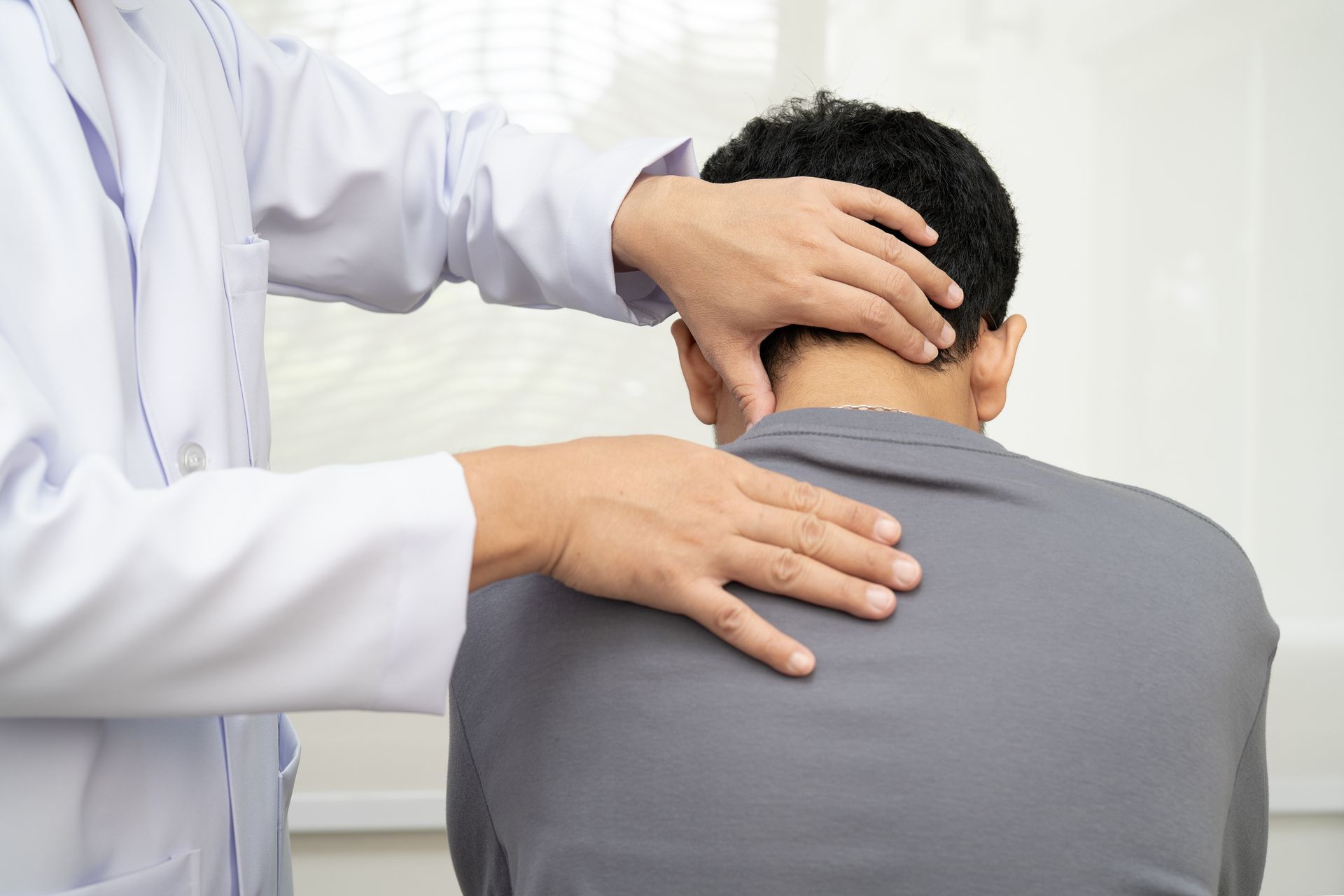
Doctor examining a patient's neck and upper back in a clinic
By Dr. Eric Davidson • November 4, 2026
Injured in a car crash, sports accident, or on the job? Davidson Chiropractic in Appleton, WI offers non-invasive, evidence-based first-line care.

Portrait of a smiling man in a blue shirt and patterned tie with arms crossed
By Dr. Eric Davidson • October 27, 2026
Discover how Vitamin D3 and K2 work together to support bone density, heart health, and immunity, plus food sources and tips for optimizing your levels.
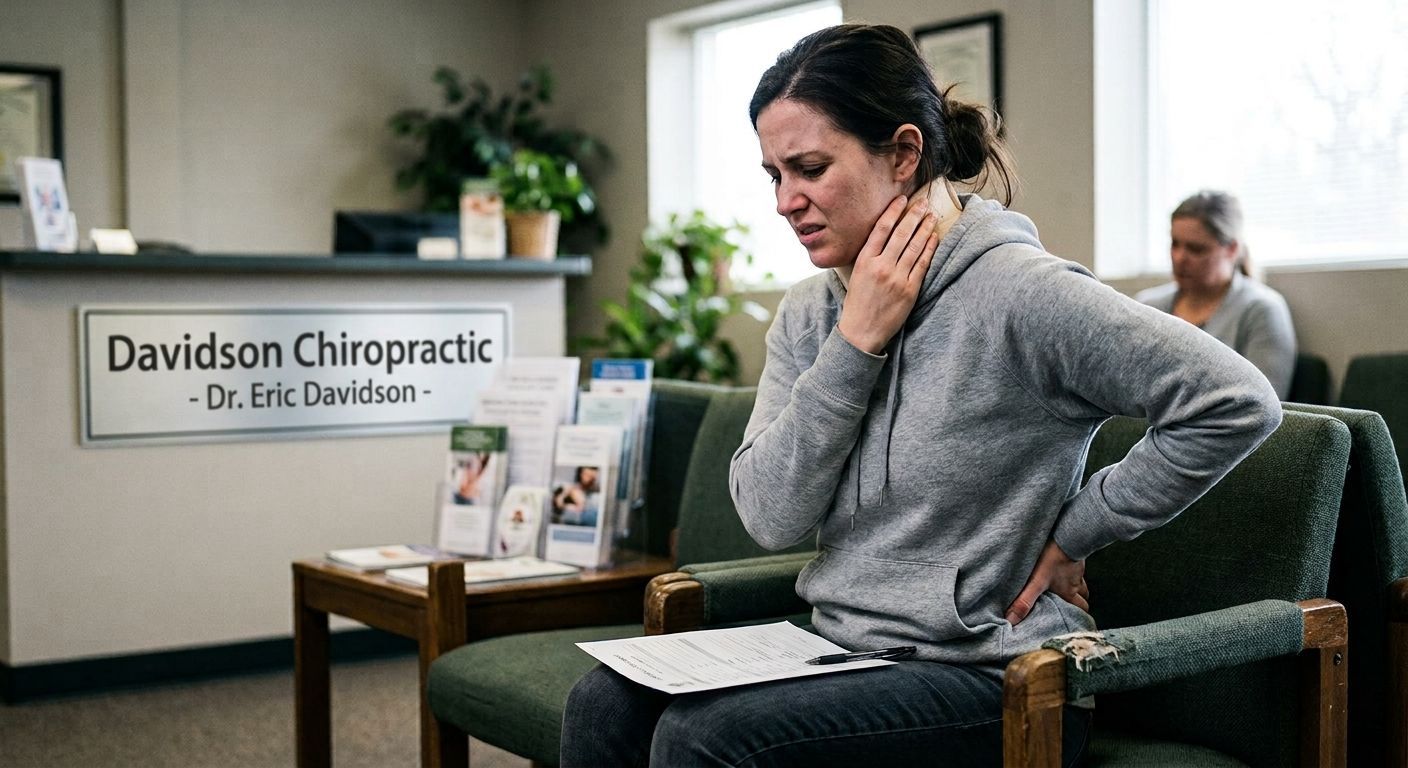
Woman holding her neck in a chiropractic waiting room with a Davidson Chiropractic sign nearby
October 26, 2026
Find natural, drug-free relief for neck pain and headaches with gentle chiropractic adjustments from Dr. Eric Davidson. Schedule your evaluation today.
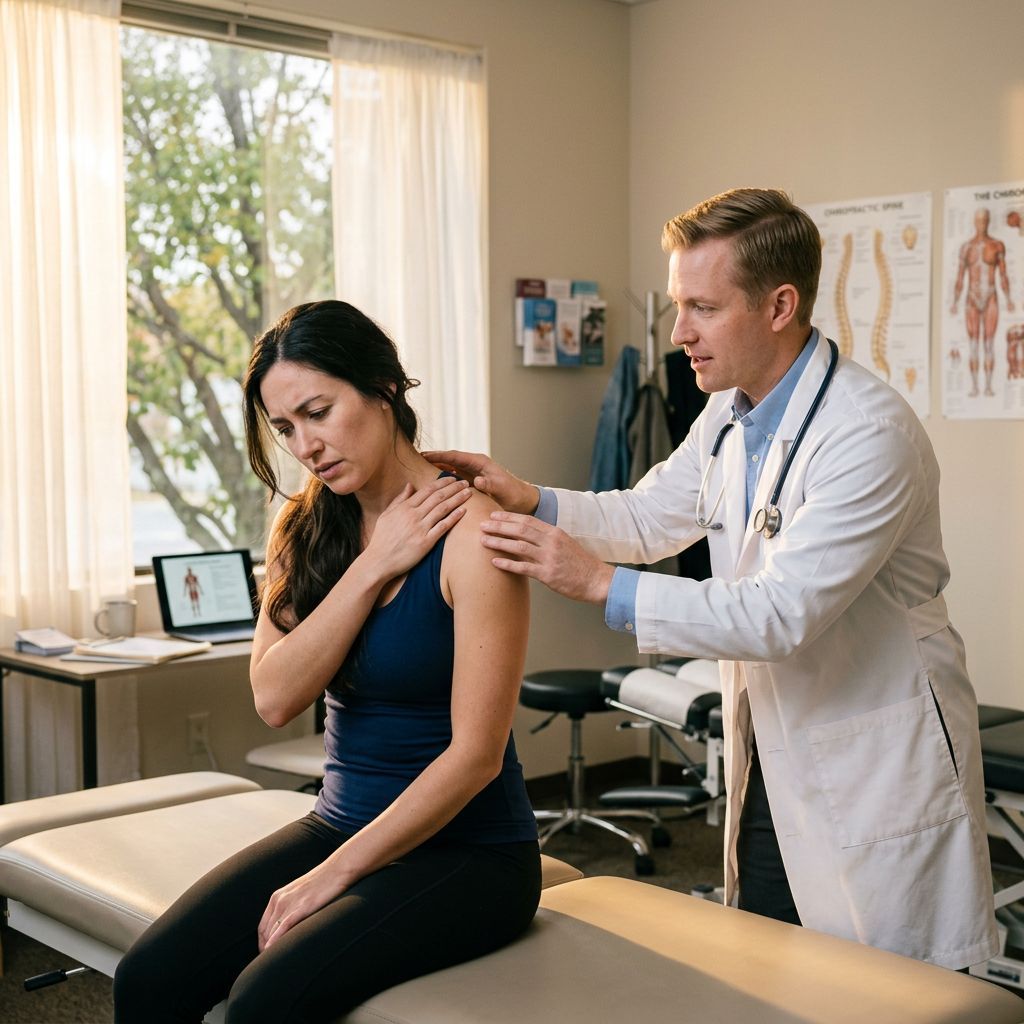
Doctor examining a patient’s shoulder in a bright clinic room
October 21, 2026
Drug-free chiropractic care for neck, shoulder, arm, and upper back pain, plus cervicogenic headaches. Same-day visits in South Appleton, WI.
Diagram of spine regions and common pain areas treated by chiropractic care
October 21, 2026
Same-day chiropractic care in South Appleton, WI. Care for auto injuries, work strain, neck and back pain, sciatica, and headaches. Drug-free care since 1983.
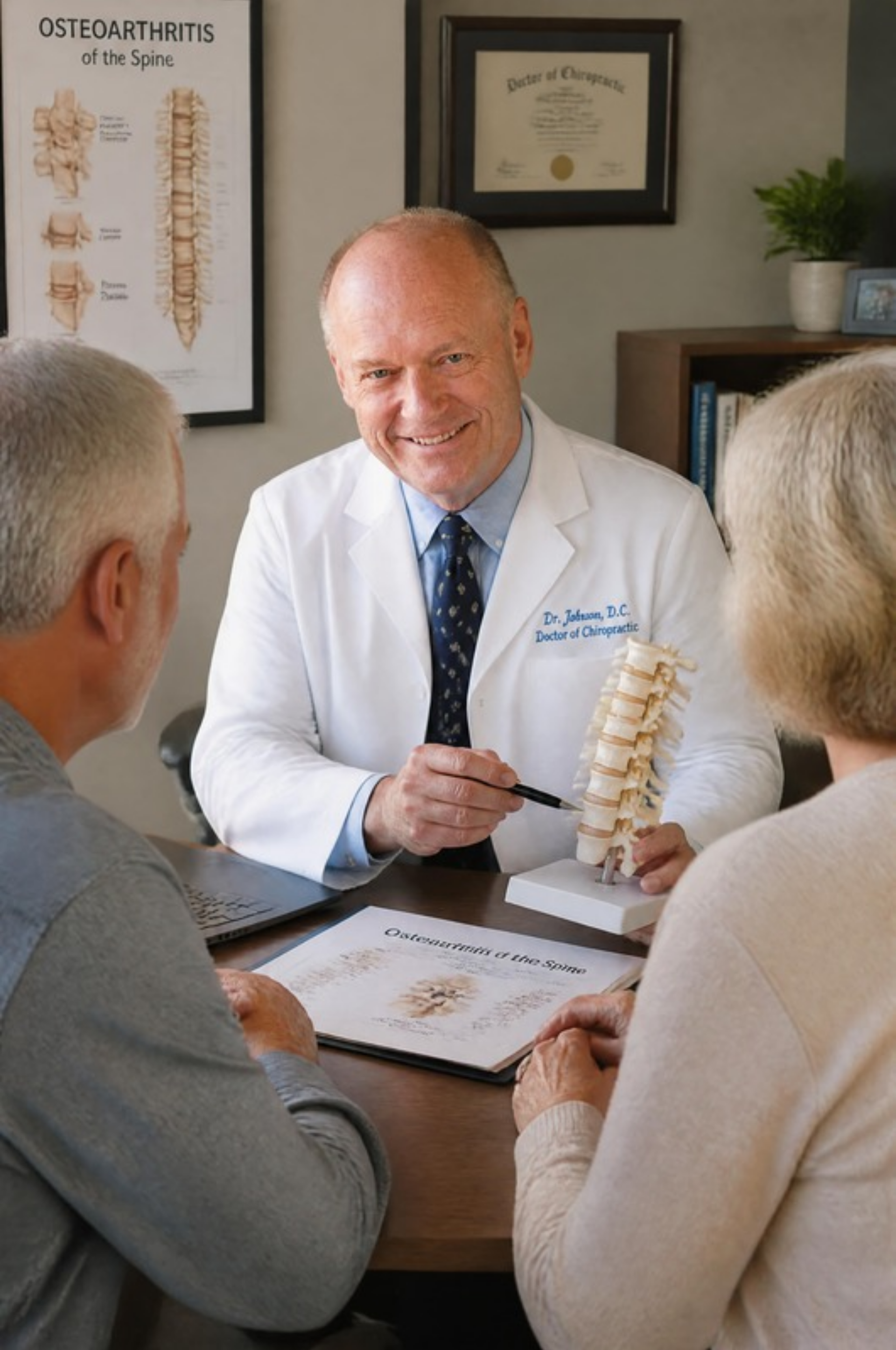
Chiropractor consulting with two patients in his office, pointing to a spine model and chart.
October 19, 2026
Drug-free chiropractic and clinical nutrition for back pain, neck stiffness and sciatica. 40+ years serving Appleton and the Fox Cities. Call (920) 257-4011.
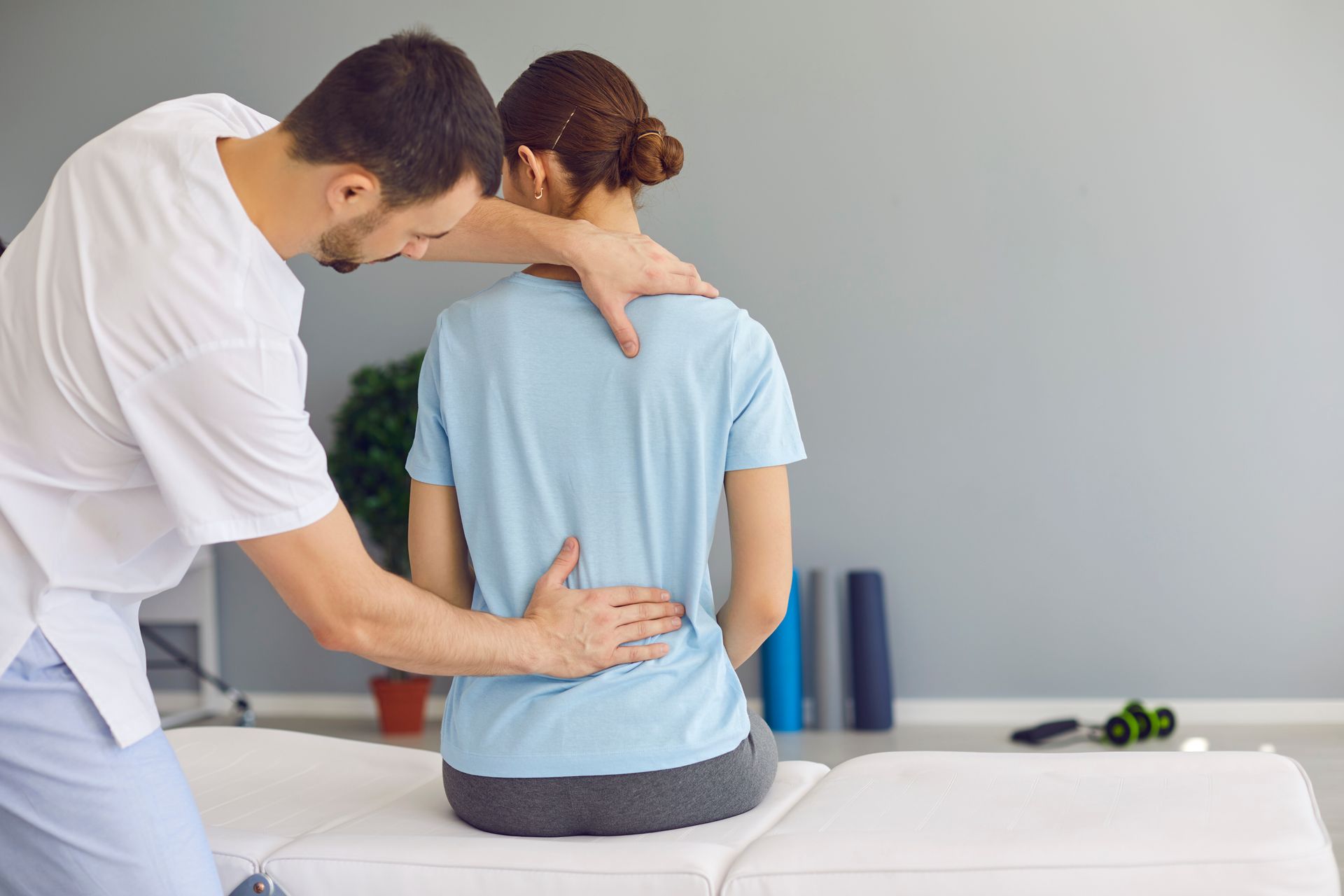
October 17, 2026
If you have suffered a car accident injury or a workplace injury in Appleton or the Fox Cities , getting immediate, specialized care is vital to prevent long-term chronic pain and spinal misalignment. At Davidson Chiropractic, Dr. Eric Davidson provides experienced, drug-free chiropractic care and physical rehabilitation tailored to personal injury recovery. Operating as an independent, single-doctor practice since 1983, Dr. Davidson ensures you see the exact same experienced chiropractor at every single visit—giving you the continuity of care necessary to safely navigate auto insurance MedPay, Worker's Compensation claims, and complete structural healing.
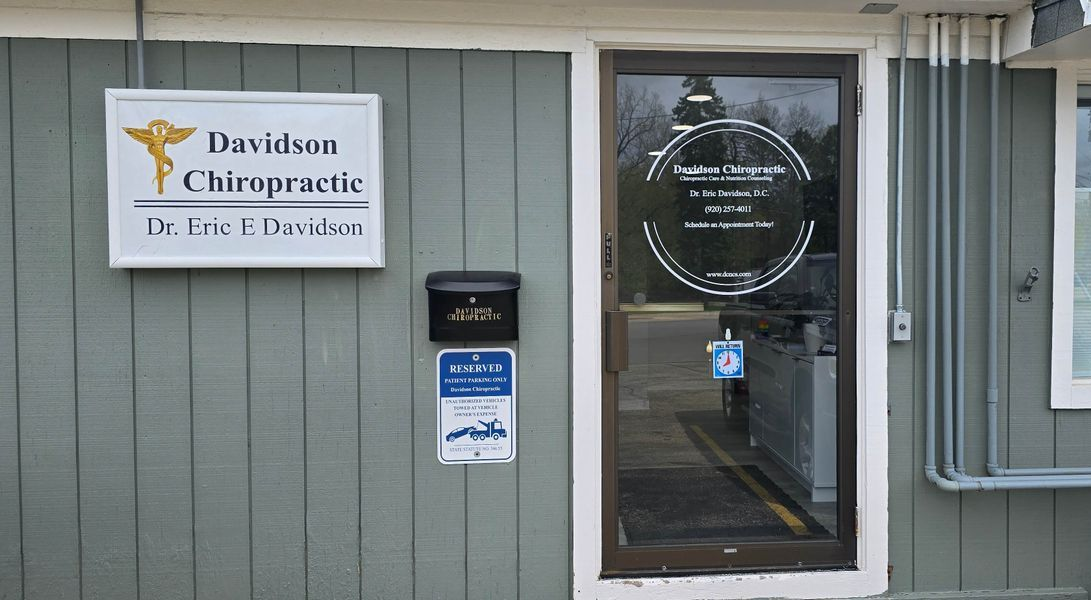
Dr. Eric Davidson of Davidson Chiropractic providing drug-free chiropractic care in Appleton, WI
By Dr. Eric Davidson • October 14, 2026
Injured in a car crash or on the job in Appleton? Dr. Davidson offers drug-free care with the same doctor every visit. Auto MedPay & Workers’ Comp accepted.

October 12, 2026
Numbness, tingling, or arm weakness with neck pain? Davidson Chiropractic in Appleton, WI resolves pinched nerves at the source with drug-free care.

Warehouse worker in orange safety vest and hard hat sitting on boxes in a storage aisle
October 12, 2026
Injured in a car accident or on the job in Appleton? Dr. Eric Davidson offers drug-free chiropractic care, rehab, and claim documentation for the Fox Valley.
Show More